
RevCycle Blog

AI in RCM: Where It Adds Value & How to Measure It
AI in RCM has become commonplace, but adoption alone says little about whether the technology is improving performance. MGMA reported in June that nearly seven in 10 medical groups had added or expanded AI tools in the prior year, with revenue cycle among the areas...

Revenue Cycle Workforce Transformation: What Leaders Need to Know
Revenue cycle workforce transformation is no longer just a response to staffing shortages. It is becoming a broader question of how healthcare organizations structure work, develop expertise and protect performance as administrative complexity continues to rise. The...

Your Patient Experience Strategy Is Your Revenue Cycle Strategy
A strong patient experience strategy was once considered a clinical priority. Revenue cycle was a separate discipline - operational, transactional, and measured by entirely different people. That separation is no longer sustainable, and the data makes clear why....
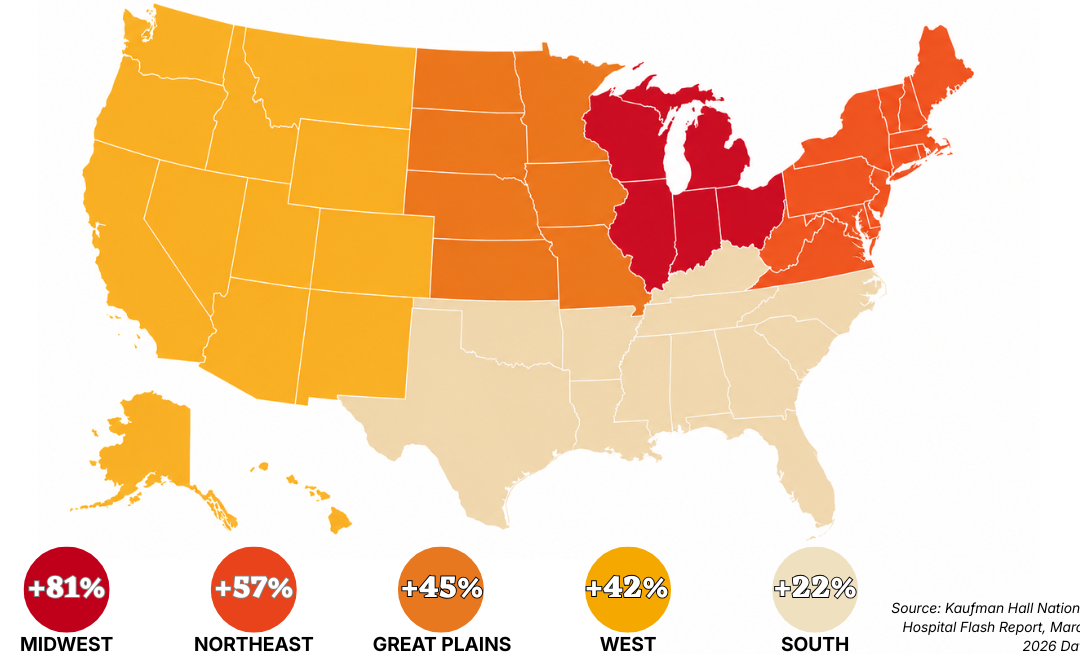
Rising Hospital Bad Debt: What the 2026 Data Tells Us
For most revenue cycle leaders, bad debt has always followed a familiar rhythm...rising during periods of economic stress, easing when conditions stabilize. That rhythm is worth revisiting. The data emerging from the first quarter of 2026 does not describe a cyclical...

The Importance of Patient Experience in Financial Performance
The link between patient experience and financial performance is stronger than ever. As patients take on a larger share of healthcare costs, their willingness and ability to pay is increasingly influenced by how they are treated throughout the billing process....

Building Trust in Self-Pay: The Dignity Process
In today’s healthcare revenue cycle environment, self-pay is no longer just a financial workflow, it is a defining moment in the patient experience. As balances shift to patients, organizations face a difficult balancing act: improving collections performance while...

Does a Champion Challenge Drive Sustainable Performance?
The "Champion Challenge" remains one of the most effective tools in a revenue cycle leader’s arsenal. On paper, the logic is compelling: place two or three debt recovery partners in a head-to-head performance trial to determine who truly owns the highest recovery...

2026 HFMA Revenue Cycle Conference Recap
What Healthcare Leaders Are Prioritizing Now—and What It Means for the Future of Revenue Cycle The 2026 HFMA Revenue Cycle Conference, held March 18–20 in Dallas, Texas, brought together influential leaders in healthcare finance to address a shared reality: revenue...
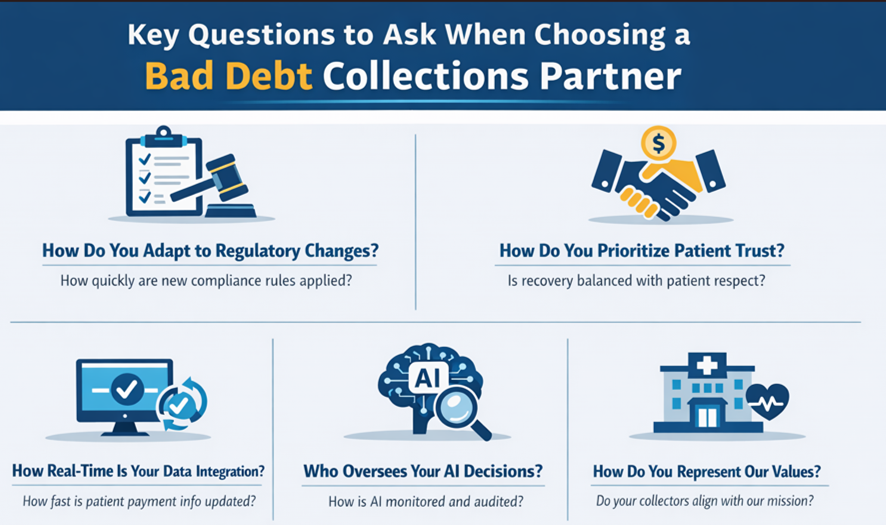
What Strategic Questions Should You Ask Before Selecting a Collection Agency?
In 2026, the difference between a standard collection agency and a true revenue cycle partner isn’t defined by the technology they advertise. It’s defined by how they think. Technology matters. Integration matters. Artificial intelligence matters. But the real risk in...

Is Your Bad Debt Strategy Ready for Continued Economic Uncertainty?
Economic uncertainty puts pressure on every part of a health system’s revenue cycle, but bad debt strategy is often where strain appears first. As we move through 2026, the convergence of rising patient responsibility, persistent staffing shortages, and razor-thin...