

In the complex and ever-evolving landscape of healthcare revenue cycle management (RCM), data quality is an often-overlooked component of strong performance. Lost revenue due to billing errors, coding inaccuracies, and incomplete patient information can significantly impact a healthcare organization’s financial health. While various strategies exist to optimize RCM, one foundational yet underutilized element is the rigorous and consistent application of data quality audits.
Think of your healthcare data as the lifeblood of your revenue cycle. Every patient encounter, every diagnosis, every procedure code, and every payment detail contributes to the financial narrative of your organization. If this data is flawed, incomplete, or inconsistent, the entire revenue cycle is at risk, leading to claim denials, payment delays, and ultimately, reduced recovery rates.
The Anatomy of a Data Quality Audit
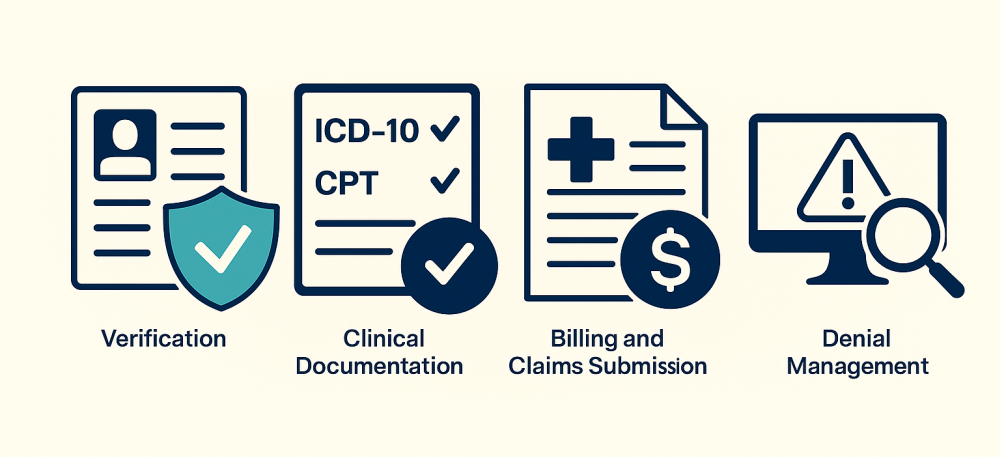
A data quality audit is a systematic process of examining and evaluating the accuracy, completeness, consistency, and timeliness of healthcare data. It’s not simply about running a few reports; it’s a comprehensive assessment that delves deep into the data’s integrity at various stages of the RCM process, including:
- Patient Access: Ensuring accurate patient demographics, insurance information, and eligibility verification.
- Clinical Documentation: Verifying the completeness and specificity of physician notes, diagnosis codes (ICD-10), and procedure codes (CPT/HCPCS).
- Coding: Assessing the accuracy and compliance of coded data with established guidelines and payer rules.
- Billing and Claims Submission: Reviewing claim forms for errors, inconsistencies, and adherence to payer requirements.
- Payment Posting: Verifying the accurate application of payments and the identification of underpayments or overpayments.
- Denial Management: Analyzing denial patterns to identify root causes related to data quality issues.
Why Data Quality Audits are Crucial for Revenue Recovery
The direct link between data quality and revenue recovery is undeniable. Here’s how robust data quality audits contribute to improved financial performance:
- Reduced Claim Denials: Inaccurate or incomplete data is a leading cause of claim denials. For instance, incorrect patient insurance information or mismatched diagnosis and procedure codes will almost certainly lead to a rejected claim. Regular audits help identify and rectify these data errors before claims are submitted, significantly lowering denial rates. According to a report by the American Academy of Professional Coders (AAPC), “Poor data quality can lead to a cascade of errors, from incorrect coding to denied claims.”
- Faster Payment Cycles: Clean claims, free from data errors, are processed much faster by payers. Audits ensure that all necessary information is present and accurate, minimizing delays associated with rework and resubmissions. The Healthcare Financial Management Association (HFMA) emphasizes the importance of front-end data accuracy in achieving efficient revenue cycles.
- Improved Coding Accuracy and Compliance: Coding errors can result in underpayments, overpayments (leading to potential penalties), and compliance risks. Data quality audits, particularly those focused on clinical documentation and coding, help identify inconsistencies and ensure adherence to coding guidelines and payer-specific rules. The Centers for Medicare & Medicaid Services (CMS) provides extensive guidelines on coding and billing, highlighting the necessity of accurate data submission.
- Enhanced Denial Management: When denials do occur, analyzing the reasons behind them is crucial. Data quality audits can help pinpoint whether denials are due to data-related issues, such as missing modifiers or incorrect codes. This allows for targeted corrective actions to prevent similar denials in the future, improving the efficiency of the denial management process.
- Increased Efficiency and Reduced Administrative Costs: By proactively identifying and resolving data errors, healthcare organizations can significantly reduce the administrative burden associated with rework, claim resubmissions, and appeals. This translates to lower operational costs and a more efficient revenue cycle.
Implementing Effective Data Quality Audits

Implementing a successful data quality audit program requires a structured approach:
- Define Clear Objectives: What specific aspects of data quality do you want to focus on? What are your target improvement areas (e.g., reducing specific denial codes)?
- Establish Key Performance Indicators (KPIs): How will you measure the success of your audits? Examples include denial rates, first-pass claim acceptance rates, and coding accuracy rates.
- Develop Audit Protocols: Define the scope, methodology, and frequency of your audits. Will they be random, targeted, or comprehensive? What data elements will be reviewed?
- Utilize Technology: Leverage your existing EHR, practice management system, and data analytics tools to identify potential data quality issues. Consider investing in specialized data quality management software.
- Train and Educate Staff: Ensure that all relevant staff members, from patient access to coding and billing, understand the importance of data quality and their role in maintaining it. Regular training on data entry, coding guidelines, and payer requirements is essential.
- Establish Feedback Loops: Share audit findings with relevant departments and individuals. Use the insights gained to implement corrective actions and process improvements.
- Regularly Review and Refine: Data quality audits should not be a one-time activity. Continuously monitor your KPIs and adapt your audit protocols as needed to address emerging issues and maintain optimal data integrity.
Conclusion
In the competitive healthcare landscape, maximizing revenue recovery isn’t just a strategic advantage—it’s a necessity. Data quality audits are far more than a compliance checkbox; they’re the cornerstone of a robust revenue cycle, directly influencing everything from denial rates to cash flow stability.
By systematically auditing and enhancing data integrity—whether at patient access, documentation, coding, billing, payment posting, or denial review—organizations reduce claim denials, speed up payment cycles, sharpen coding accuracy, and streamline denial management. This proactive approach drives not only financial performance but also operational efficiency and cost control.
At RevCycle, we partner with healthcare organizations to strengthen their revenue cycle, including building and executing data quality audit programs. Our technology-enabled workflows, system integration expertise, and collaborative training approach help ensure that clean, accurate data drives measurable results— faster reimbursements, and a healthier bottom line.
To learn more about how RevCycle can help enhance your data quality efforts, schedule a free consultation.