

In the complex world of healthcare RCM, the collections process often conjures images of stern calls and impersonal letters. However, a growing understanding of patient experience and the unique challenges faced by individuals navigating healthcare costs is paving the way for a more empathetic, dignity-forward approach. This isn’t just about being “nice”; it’s about building trust, improving financial outcomes, and ultimately, fostering a healthier community.
Traditional collections strategies, focused solely on the bottom line, can inadvertently alienate patients, damage provider-patient relationships, and even exacerbate financial stress. But what if we reimagine the process, viewing each interaction as an opportunity to support patients while still ensuring the financial health of healthcare organizations?
Across the nation, healthcare providers are recognizing the profound impact of a patient’s financial journey on their overall well-being. A dignity-forward strategy prioritizes clear communication, flexible solutions, and a deeper understanding of individual circumstances.
Key Pillars of a Dignity-Forward Collections Strategy
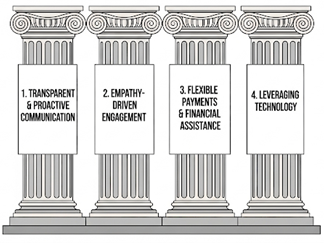
- Transparent and Proactive Communication, Early and Often: The best time to discuss financial obligations isn’t at the point of collection, but at the point of service – or even before. This involves:
- Clear Cost Estimates: Providing patients with accurate, easy-to-understand estimates of their out-of-pocket costs before services are rendered. This can significantly reduce “sticker shock” later.
- Financial Counseling: Offering accessible financial counseling services to help patients understand their insurance benefits, explore payment options, and identify potential financial assistance programs. Many healthcare systems offer resources to help patients navigate these complexities.
- Plain Language Explanations: Ditching the jargon. Bills and explanations should be written in clear, concise language that patients can easily understand. The Healthcare Financial Management Association consistently advocates for price transparency and patient-friendly billing practices.
- Empathy-Driven Engagement: Collections calls shouldn’t feel like interrogations. Training staff to approach conversations with empathy and understanding is paramount.
- Active Listening: Empowering staff to genuinely listen to patients’ concerns and financial challenges without judgment.
- Compassionate Tone: Ensuring all communication, whether verbal or written, maintains a respectful and supportive tone.
- Personalized Solutions: Recognizing that one size does not fit all. Instead of rigid payment plans, offer flexible options tailored to individual financial situations. This might include extended payment plans, hardship discounts, or referrals to community resources.
- Flexible Payment Solutions & Financial Assistance: A dignity-forward approach offers a spectrum of solutions to prevent financial hardship.
- Customizable Payment Plans: Moving beyond standard 3- or 6-month plans to offer longer-term, interest-free options that fit within a patient’s budget.
- Charity Care Policies: Clearly outlining and promoting robust charity care and financial assistance programs for eligible patients. Resources like the American Hospital Association (AHA) offer guidance on best practices for charity care policies.
- Partnerships with Community Resources: Collaborating with local social services, financial literacy programs, and non-profits to provide comprehensive support to patients facing financial difficulties.
- Leveraging Technology: Technology can be a powerful tool for enhancing the patient experience in collections, not just for automation.
- Patient Portals: Offering secure online portals where patients can easily view their bills, manage payment plans, and access financial resources.
- Automated Reminders (with a Human Touch): Utilizing automated reminders for upcoming payments, but ensuring these are accompanied by clear options to speak with a human representative for support.
- Data Analytics for Proactive Support: Using data to identify patients who may be at risk of financial hardship before they fall behind, allowing for proactive outreach and support.
The Business Case for Dignity

Beyond the ethical imperative, a dignity-forward collections strategy makes sound business sense. For example, here at RevCycle our affirmation of patient dignity in every interaction has led to 98% of patients saying they’re satisfied with our services.
- Improved Patient Satisfaction: Patients who feel respected and understood are more likely to have a positive overall experience with your organization, leading to higher satisfaction scores and loyalty.
- Increased Collection Rates: When patients are given manageable, transparent options, they are more likely to honor their financial obligations.
- Reduced Administrative Costs: Proactive communication and streamlined processes can reduce the need for intensive, back-end collections efforts.
- Enhanced Brand Reputation: In an increasingly consumer-driven healthcare landscape, an organization’s approach to patient billing and collections can significantly impact its public image.
Implementing a dignity-forward collections strategy requires a cultural shift within an organization. It demands training, ongoing education, and a commitment from leadership to prioritize patient well-being alongside financial stability. By embracing this approach, healthcare organizations can transform a often-dreaded process into one that builds trust, supports patients, and ultimately strengthens the fabric of healthcare delivery.
Our Final Word
At RevCycle, we’ve proven that dignity and performance go hand in hand. By treating every patient with respect, we help healthcare organizations recover more revenue while protecting the relationships that matter most. Collections done with dignity don’t just close balances—they open the door to trust, loyalty, and healthier communities.